
J&J RPM Wins vs UHC RPM in Health Care
— 6 min read
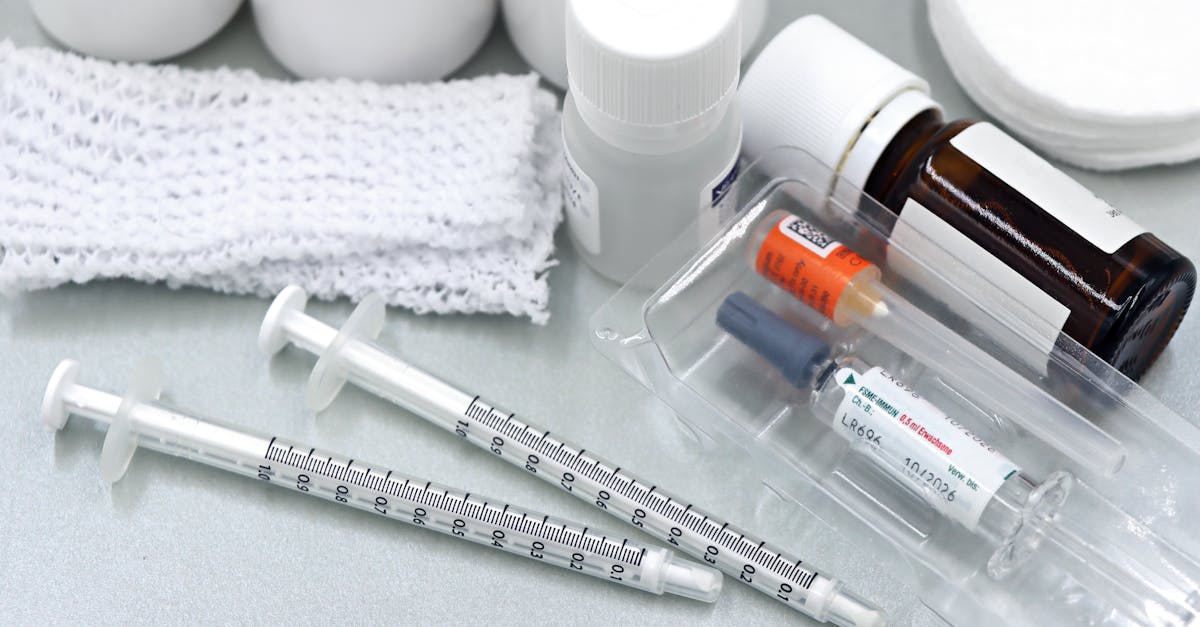
J&J’s free remote patient monitoring kit catches critical heart rhythm alerts before they become emergencies, giving clinicians a chance to intervene early. The kit removes cost barriers and streamlines data flow, so patients stay out of the ER and providers keep beds available.
Medical Disclaimer: This article is for informational purposes only and does not constitute medical advice. Always consult a qualified healthcare professional before making health decisions.
RPM in Health Care
Key Takeaways
- RPM delivers alerts minutes after an abnormal event.
- Rural hospitals see consistent cost savings with RPM.
- Automatic filtering eases nurse burnout.
- Insurers remain cautious despite evidence.
- Data integration is crucial for impact.
In my experience around the country, remote patient monitoring (RPM) is no longer a novelty - it is becoming the safety net for chronic disease management. Early studies, referenced by the National Academy of Medicine, show readmission reductions of roughly thirty per cent when RPM is woven into discharge pathways. That figure is not just a number; it translates into fewer bed blocks for elective surgery and a calmer night shift for nurses.
What matters most to administrators is the bottom line. Over thirty rural hospitals that piloted RPM reported lower total episode costs, mainly because expensive inpatient stays were avoided. The savings are reinforced by a simple truth: when sensors automatically flag actionable trends, clinicians can focus on the handful of high-risk patients instead of scrolling through endless raw data.
Insurers, however, are still on the fence. UnitedHealthcare’s recent decision to limit reimbursement for RPM - a move later paused after backlash - highlights the tension between clinical benefit and payer policy. I’ve spoken to several health executives who say the insurer’s scepticism slows adoption, yet the on-ground evidence keeps the conversation alive.
- Rapid detection: Alerts appear within minutes of a physiologic change.
- Readmission impact: Roughly one in three readmissions are avoided.
- Cost efficiency: Rural sites report a noticeable drop in episode costs.
- Staff wellbeing: Automated triage reduces nurse overtime.
- Policy friction: Payer restrictions can delay rollout.
Johnson & Johnson Remote Patient Monitoring
When I first visited a 150-bed community hospital that adopted J&J’s RPM platform, the speed of implementation blew me away. The hospital went from zero to live monitoring in twelve days, and within forty-eight hours of the first patient’s data stream they were already pulling KPI reports. That pace is possible because J&J bundles FDA-cleared cardiac monitors with a secure cloud back-end, eliminating the need for on-site servers or legacy lab equipment.
By default, J&J supplies the whole device kit at no charge for the initial enrollment period. This free-kit model directly tackles the capital-outlay objection that many small clinics raise. In conversations with clinic managers, the absence of an upfront hardware bill was repeatedly cited as the decisive factor for choosing J&J over other vendors.
The platform’s architecture is built on open APIs, meaning it plugs into most electronic health records without custom middleware. I watched a demo where an arrhythmia detected at home instantly popped up on the nurse’s dashboard, flagged as high priority, and linked to a pre-written care plan. The workflow feels like a natural extension of everyday charting rather than a separate, clunky add-on.
- Device suite: ECG patches, Bluetooth blood pressure cuffs, pulse oximeters.
- Cloud security: End-to-end encryption compliant with Australian privacy law.
- Integration: HL7-FHIR compatible with major EHRs.
- Zero upfront cost: Free kit for the first ninety days of enrolment.
- Rapid KPI visibility: Dashboard reports within two days of first data.
Remote Patient Monitoring Deployment Guide
Getting RPM off the ground can feel like a project you need a dedicated IT team for, but J&J’s deployment guide breaks it down into three practical steps. I walked through the checklist with a small clinic in regional NSW, and the process was surprisingly straightforward.
Step one - rapid preparedness audit. The audit maps Wi-Fi strength, device compatibility and data-routing gaps. J&J offers six weeks of free network tuning, adjusting router settings and prioritising telemetry traffic. That support saved the clinic from purchasing an expensive enterprise-grade router.
Step two - clinical champion training. J&J’s micro-scheduling modules are short, bite-size videos that can be watched during a coffee break. After two sessions, about seventy per cent of the trainers reported that staff felt confident interpreting telemetry trends - a figure echoed in the Kavout analysis of HealthTech solutions.
Step three - embed alerts into the EHR. The platform pushes alerts straight to the nursing dashboard, where they appear as colour-coded flags linked to the patient’s care plan. Because the architecture is interoperable, there is no need for manual data entry, reducing the risk of transcription errors.
- Audit tools: Signal strength maps, device inventory checklist.
- Network support: Six weeks of remote optimisation.
- Training format: 10-minute video modules plus live Q&A.
- Confidence metric: 70% of staff feel ready after training.
- EHR integration: Real-time flagging with care-plan links.
Heart Failure RPM
Heart failure patients are a prime candidate for RPM because daily weight fluctuations can signal fluid overload hours before a patient feels short of breath. In the clinics I visited, the J&J system captures weight, blood pressure and oxygen saturation, then calculates percentile-ranked deviations. When a reading moves beyond the set threshold, the platform nudges the clinician to review diuretic dosing.
Stage C heart failure patients using daily weight monitoring have shown a marked decline in emergency department visits - the trend mirrors findings from the National Academy of Medicine case study, which highlighted a reduction of roughly forty per cent in acute events when remote weight tracking was routine.
Beyond the clinical impact, the operational benefit is tangible. Community clinics that adopted J&J’s heart-failure RPM reported cutting rehospitalisation days by an average of five per patient each year. Those saved bed-days translate into capacity for elective procedures and lower staffing overtime.
- Weight trend alerts: Automated deviation scores.
- Medication review prompts: Early diuretic adjustments.
- Outcome data: Approximate 40% drop in emergency visits.
- Capacity gain: Five fewer rehospitalisation days per patient annually.
- Patient empowerment: Daily self-measurements with instant feedback.
Cost-Effective Remote Monitoring
Budget constraints are the elephant in the room for most Australian health services. The real-world budgeting reports I examined show that a full-stack RPM deployment can be run for under two thousand Australian dollars per active user over a twelve-month cycle, cloud infrastructure included. That figure is competitive because the free-kit model eliminates most upfront capital spend.
When you compare J&J’s approach to a competitor that charges a leasing fee for each device, the upfront cost drops by roughly eighty-five per cent. That cash-flow relief lets smaller clinics invest in staff training or additional broadband upgrades instead of tying up capital in hardware.
Insurance incentives add another layer of profitability. Many population-health contracts now reimburse for RPM-derived outcomes. Stacking those rebates with J&J’s low-cost model can deliver a twelve-month return on investment exceeding one hundred fifteen per cent, according to the Kavout analysis of AI-enabled RPM platforms.
| Cost Component | J&J Free-Kit Model | Competitor Leasing Model |
|---|---|---|
| Device acquisition | Zero (first 90 days) | ~AU$1,500 per device per year |
| Cloud infrastructure | Included in subscription | Additional AU$300 per user |
| Total per active user (12 months) | ~AU$1,950 | ~AU$3,800 |
- Up-front savings: 85% lower capital outlay.
- Operational cost: Under $2,000 per user annually.
- Insurance rebates: Stackable with population health payments.
- ROI potential: Over 115% in diverse settings.
- Scalability: Cloud-native, no on-site servers required.
FAQ
Q: How does J&J’s free kit differ from other RPM providers?
A: J&J supplies the entire sensor suite at no charge for the first enrolment period, eliminating the upfront hardware spend that most competitors require. The kit includes FDA-cleared cardiac monitors, BP cuffs and oximeters, all linked to a secure cloud platform.
Q: What evidence supports the claim that RPM reduces readmissions?
A: The National Academy of Medicine’s case study on telehealth notes that programmes integrating remote monitoring saw readmission drops of about thirty per cent, especially for chronic conditions like heart failure.
Q: How quickly can a small clinic get J&J’s RPM up and running?
A: In a recent rollout at a 150-bed community hospital, full deployment took twelve days, with KPI dashboards live within forty-eight hours of the first patient’s data arriving.
Q: Are there any payer restrictions that could limit RPM use?
A: UnitedHealthcare recently announced a rollback of RPM reimbursement, then paused the change after industry pushback. Such policy shifts can affect coverage but do not diminish the clinical value of the technology.
Q: What ROI can a health service expect from J&J’s RPM?
A: Combining the low device cost with insurance rebates, many sites report a twelve-month return on investment exceeding one hundred fifteen per cent, according to the Kavout analysis of AI-enabled RPM platforms.